$150 Million Available for Port Electrification and Truck Emission Reduction Projects
Independent platform. Not affiliated with or endorsed by any government agency. Data from public federal sources.
Closed: this opportunity closed on Jun 22, 2026.
The advice in this article still applies to future cycles. Related open opportunities are listed below.
Ports across America handle billions of dollars in cargo each year, but they also generate significant air pollution from idling trucks and diesel-powered equipment. The Federal Highway Administration's new Reduction of Truck Emissions at Port Facilities (RTEPF) Competitive Grants Program offers a substantial funding opportunity to tackle this challenge head-on.
Program Overview and Funding Details
The RTEPF program makes up to $150 million available to eligible organizations working to reduce truck emissions and advance electrification at port facilities. This funding pool combines appropriations from fiscal years 2024, 2025, and 2026, with the possibility of additional funds from FY 2023 if they remain available.
Individual awards can reach up to $45 million, though there's no minimum award threshold. This flexibility allows FHWA to fund both large-scale transformation projects and smaller demonstration initiatives that prove innovative emission reduction concepts.
What Projects Qualify for Funding
The program focuses on reducing truck idling and emissions at port facilities through various approaches. Port electrification projects receive particular emphasis, reflecting the Biden administration's commitment to clean transportation infrastructure.
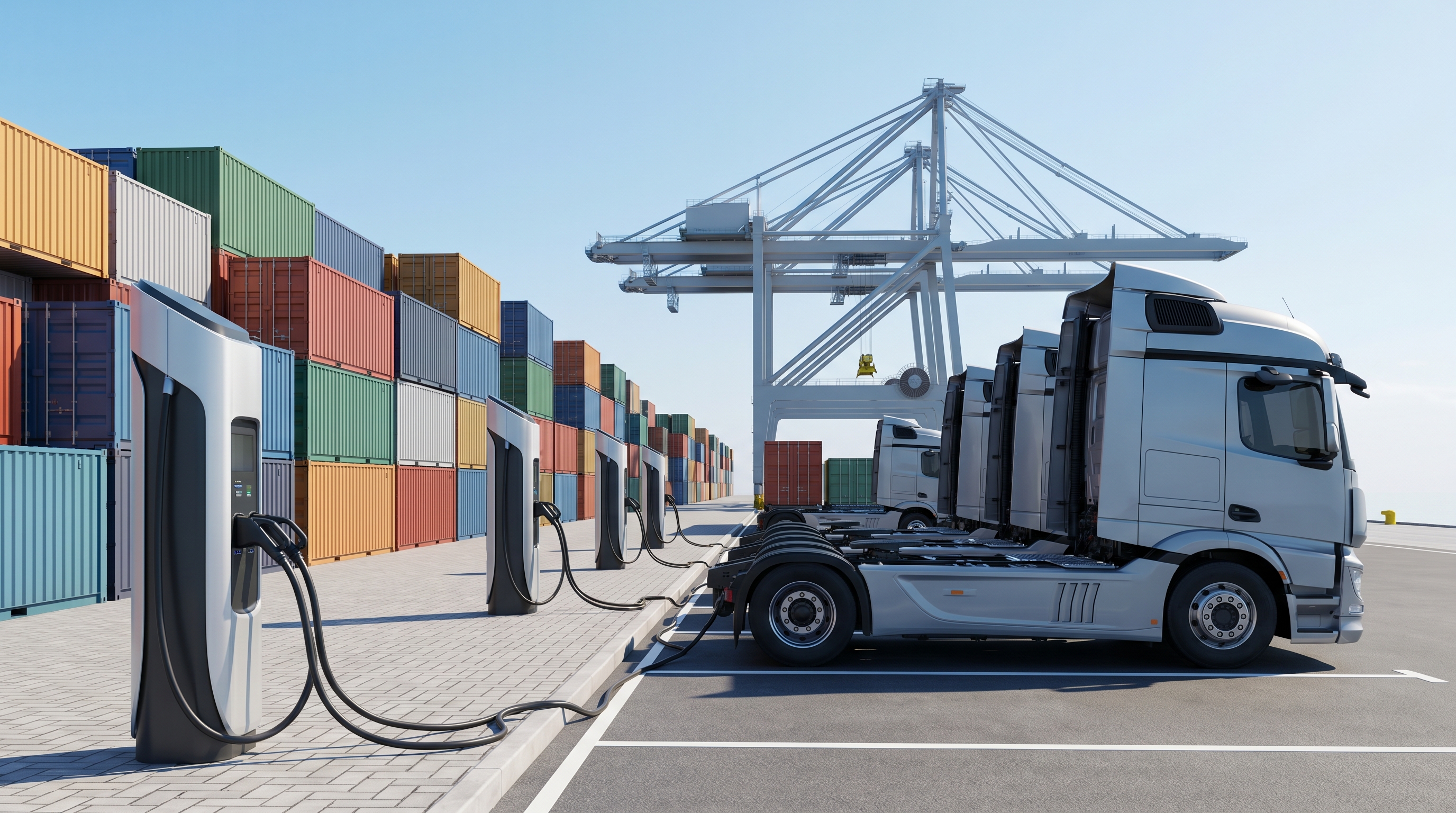
Qualifying activities include installing electric charging stations for trucks and cargo handling equipment, upgrading port electrical infrastructure, implementing truck appointment systems to reduce waiting times, and deploying alternative fuel technologies like hydrogen or compressed natural gas systems.
Projects might also involve creating truck staging areas away from residential communities, installing shore power connections for ships, or developing smart traffic management systems that minimize truck congestion and idling.
Who Can Apply
Eligible applicants include state governments, local governments, tribal governments, port authorities, and metropolitan planning organizations. Public-private partnerships are also eligible, provided the public entity serves as the lead applicant.
The program particularly encourages applications from entities serving disadvantaged communities that bear disproportionate environmental burdens from port operations. Communities near major port facilities often experience higher rates of asthma and other respiratory conditions linked to diesel emissions.
Cost Sharing Requirements
All projects require cost sharing, meaning applicants must contribute matching funds. While the notice doesn't specify exact percentages, federal transportation grants typically require 20% to 50% matching funds from non-federal sources.
Matching funds can come from state appropriations, local government budgets, port authority revenues, or private sector contributions in public-private partnerships. In-kind contributions like staff time, equipment use, or donated materials may also count toward match requirements.
Application Strategy and Timeline
With a deadline of June 19, 2026, organizations have substantial time to develop competitive applications. However, the best projects often require months of planning, stakeholder coordination, and partnership development.
Start by conducting an emissions inventory at your target port facility. Document current truck traffic patterns, idling times, and pollution levels. This baseline data will be essential for demonstrating project impact and justifying funding requests.
Engage early with port operators, trucking companies, and local air quality agencies. Successful applications typically demonstrate broad stakeholder support and clear commitments from key partners.
Maximizing Your Competitive Position
FHWA will likely prioritize projects that demonstrate measurable emission reductions, serve disadvantaged communities, and advance innovative technologies. Quantify your project's expected benefits using EPA's emission factor databases and air quality modeling tools.
Consider how your project connects to broader transportation and environmental justice goals. Projects that reduce emissions while improving freight efficiency and community health outcomes will be particularly competitive.
Document any pilot programs or demonstration projects that validate your approach. FHWA prefers funding proven technologies that can be scaled up rather than experimental concepts with uncertain outcomes.
Common Implementation Challenges
Port electrification projects often face utility interconnection delays and permitting complexities. Begin utility coordination early and factor extended timelines into your project schedule.
Truck appointment systems require buy-in from numerous trucking companies and may face resistance from drivers concerned about schedule flexibility. Plan comprehensive outreach and education campaigns to build support.
Alternative fuel infrastructure projects need reliable fuel supply chains and trained maintenance personnel. Address these operational requirements in your sustainability planning.
Looking Beyond the Grant Period
FHWA expects funded projects to continue operating after federal funding ends. Develop clear business models showing how improvements will be maintained and potentially expanded using port revenues, user fees, or other sustainable funding sources.
Consider how your project might serve as a model for other ports. Document lessons learned and best practices that could inform future emission reduction efforts nationwide.
The RTEPF program represents a significant opportunity to modernize port operations while improving air quality in surrounding communities. With careful planning and strong partnerships, your organization can compete successfully for these substantial federal investments.
Ready to pursue this $150 million opportunity? Create your free GovGrantsUSA account today to access the full application materials, track deadlines, and get expert guidance on developing a winning proposal for the Reduction of Truck Emissions at Port Facilities program.
$56.5M Available for Commercial Motor Vehicle Safety Program... Next
$44M Available for Senior Employment Programs Through SCSEP...
Related Articles
Up to $80M Available for Wildlife Crossing Projects: Is Your Agency Ready?
FHWA's Wildlife Crossings Pilot Program is offering approximately $80 million in FY2026 grant funding to reduce wildlife-vehicle collisions and restore habitat connectivity. Deadline: November 16, 2026.
PROTECT Grants: Up to $60M Available to Harden America's Transportation Infrastructure
FHWA's PROTECT Competitive Grant Program is offering up to $787M total, with individual awards up to $60M, to harden America's surface transportation systems against climate hazards.
$165 Million Available for Tribal and Federal Lands Transportation Projects Through 2026
The Federal Highway Administration is offering $165 million through 2026 for transportation infrastructure projects serving tribal lands and federal properties. Awards range from $1-30 million.
Find Grants That Match Your Organization
Create a free account, build your profile, and see which federal grants you qualify for.
Get Free Access