$250M SPARK Grant: Fast-Track Your Power Grid Upgrades Through Advanced Transmission Tech
Independent platform. Not affiliated with or endorsed by any government agency. Data from public federal sources.
Closed: this opportunity closed on May 20, 2026.
The advice in this article still applies to future cycles. Related open opportunities are listed below.
- Request for Information - Gauging Investor Interest in the Development and Commercialization of Subsurface Energy Technologies (deadline Nov 5, 2026)
- Advanced Nuclear Energy Licensing Cost-Share Grant Program (deadline Nov 30, 2026)
- Accelerating Scale-up and Pre-piloting of Emerging Chemical Technologies (ASPECT) (deadline Dec 1, 2026)
The Department of Energy just announced one of the most significant grid modernization opportunities in recent history. The SPARK program (Speed to Power through Accelerated Reconductoring and other Key Advanced Transmission Technology Upgrades) offers up to $250 million per project to transform America's aging electrical infrastructure.
This isn't your typical federal grant. SPARK addresses the urgent need for grid capacity as electricity demand skyrockets due to data centers, electric vehicles, and manufacturing growth. The program specifically targets projects that can deliver results quickly while maximizing existing infrastructure investments.
What Makes SPARK Different
SPARK stands out because it requires a dual approach. You can't just propose reconductoring existing transmission lines or installing advanced transmission technologies (ATTs) alone. Your project must combine both physical upgrades and operational improvements to qualify.
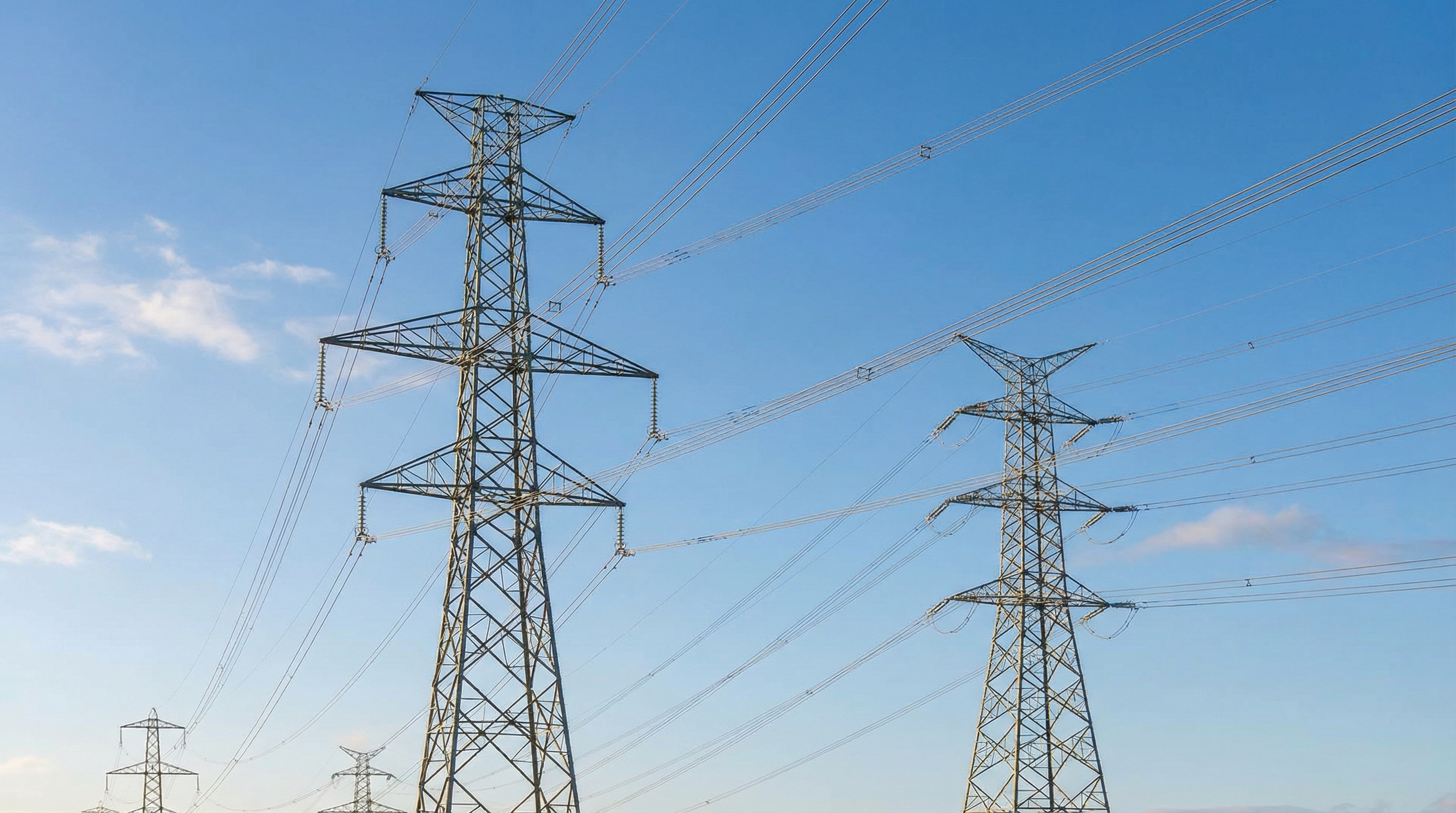
The physical component typically involves reconductoring - replacing older conductors with modern alternatives that can carry significantly more electricity through existing towers and rights of way. Some advanced conductors can double or triple transmission capacity without requiring new infrastructure.
The operational component focuses on Advanced Transmission Technologies like dynamic line ratings, power flow control devices, or grid-enhancing technologies that optimize how electricity flows through the system in real-time.
Eligible Applicants and Partnership Requirements
The Department of Energy designed SPARK to encourage collaboration between multiple stakeholders. Eligible applicants include:
- State governments and their agencies
- Local governments and municipalities
- Tribal governments and organizations
- Electric utilities (investor-owned, public, cooperative)
- Regional transmission organizations and independent system operators
- Private sector entities with relevant expertise
However, successful applications will likely demonstrate partnerships between these groups. DOE particularly values projects that show coordination between state regulators, utilities, and system operators.
Project Requirements and Evaluation Criteria
Your SPARK application must demonstrate several key elements. First, show measurable improvements in electric grid capacity and system value. DOE wants to see specific numbers - how much additional capacity will your project create, and how will you measure success?
Second, prove that your project utilizes existing rights of way rather than requiring new transmission corridors. This requirement significantly reduces permitting time and environmental review complexity, allowing projects to move faster.
Third, demonstrate how your combined approach of physical upgrades and advanced technologies will:
- Expand transfer capability between regions
- Strengthen grid reliability and resource adequacy
- Reduce costs for consumers
- Improve system security and resilience
DOE will prioritize projects that can begin implementation quickly. If your project requires years of permitting or faces significant regulatory hurdles, it's less likely to score well.
Cost Sharing Requirements
SPARK requires cost sharing, though the specific percentage varies based on your project type and applicant category. Historically, DOE transmission programs have required 20% to 50% cost sharing from recipients.
This requirement actually strengthens your application because it demonstrates genuine commitment from project partners. Utilities and other stakeholders investing their own money alongside federal funds create more compelling proposals.
Cost sharing can include cash contributions, in-kind services, or existing infrastructure value. For example, if your utility is contributing existing transmission assets or engineering services, these may count toward your cost share requirement.
Timeline and Strategic Considerations
With a May 20, 2026 deadline, you have substantial time to develop a strong application. However, successful SPARK proposals will require extensive coordination between multiple organizations, detailed engineering studies, and regulatory coordination.
Start building your team now. Identify utility partners, relevant state agencies, and any tribal governments in your project area. Many of the strongest applications will come from existing partnerships or regional planning processes.
Consider focusing on transmission corridors that already face capacity constraints or serve areas with growing electricity demand. Projects that address known bottlenecks or support renewable energy integration will likely score higher.
Advanced Technologies to Consider
SPARK applications should incorporate proven Advanced Transmission Technologies that complement physical upgrades. Popular options include:
- Dynamic line ratings that adjust transmission capacity based on real-time weather conditions
- Static var compensators for voltage support and power quality
- Power flow control devices that direct electricity along optimal paths
- Advanced monitoring systems that provide real-time grid visibility
The key is selecting technologies that create synergistic benefits with your reconductoring or other physical improvements. A well-designed combination can deliver capacity gains that exceed what either approach would achieve independently.
Getting Started
SPARK represents a once-in-a-generation opportunity to modernize critical transmission infrastructure with substantial federal support. The program's focus on speed and existing rights of way creates a clear path for projects that might otherwise face years of delays.
Begin by identifying potential project sites, assembling your partnership team, and conducting preliminary engineering assessments. The most competitive applications will demonstrate clear benefits, strong partnerships, and realistic implementation timelines.
Ready to pursue this $250 million opportunity? Create your free GovGrantsUSA account today to access the full SPARK solicitation, track application requirements, and connect with potential project partners. Our platform simplifies the federal grant process so you can focus on developing winning projects that transform America's electrical grid.
State Veterans Home Construction Grants: Up to $275M Availab... Next
FEMA's $150M BRIC Program: Fund Infrastructure Projects That...
Find Grants That Match Your Organization
Create a free account, build your profile, and see which federal grants you qualify for.
Get Free Access