$35M Food for Progress Grant Opens Doors for Agricultural Development Projects
Independent platform. Not affiliated with or endorsed by any government agency. Data from public federal sources.
Closed: this opportunity closed on Jul 6, 2026.
The advice in this article still applies to future cycles. Related open opportunities are listed below.
- Assisting Specialty Crop Exports: Low Oxygen Storage and Packaging Systems for U.S. Tree Nuts with Phytosanitary Traceability (deadline Oct 26, 2026)
- Plant Protection Act Section 7721 Fiscal Year 2027 National Clean Plant Network (NCPN) (deadline Oct 19, 2026)
- Tribal Colleges Extension Program Special Emphasis (deadline Nov 2, 2026)
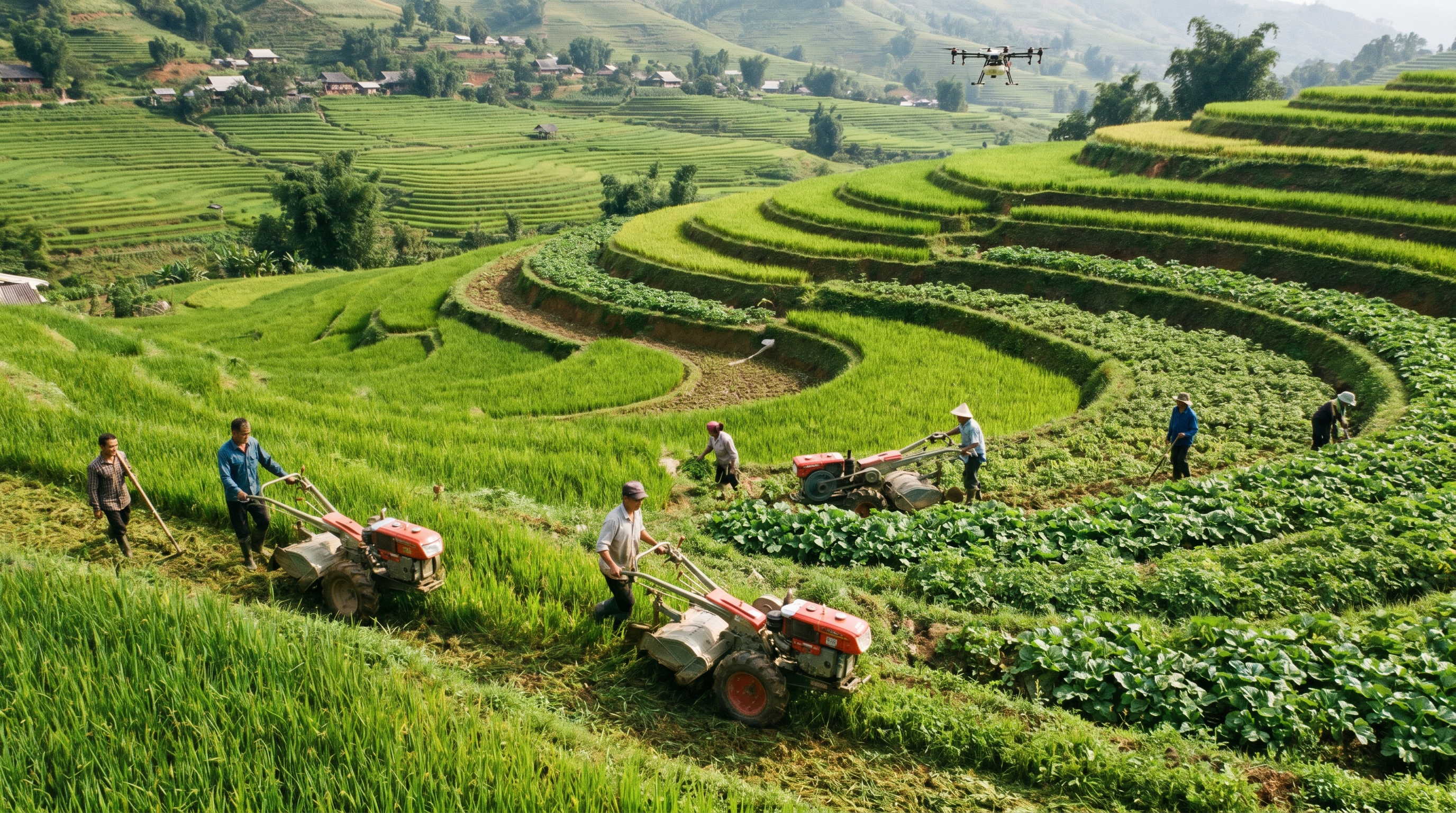
The USDA's Foreign Agricultural Service has announced a major funding opportunity that could transform agricultural development work in emerging economies. The Food for Progress Program is offering grants ranging from $28 million to $35 million for fiscal year 2026, with applications due July 6, 2026.
What Makes This Grant Unique
Unlike many federal grants that focus on domestic projects, the Food for Progress Program specifically targets agricultural development in developing countries and emerging democracies. The program works by donating U.S. agricultural commodities to partner countries, where they're sold on local markets. The proceeds then fund agricultural development activities that benefit both the recipient country and American agricultural interests.
This approach creates a win-win situation. Developing nations receive much-needed agricultural support while building stronger trade relationships with the United States. American farmers and agricultural businesses benefit from expanded export markets and strengthened international partnerships.
Six Core Objectives Drive Program Success
The Food Security Act of 1985 established six specific objectives that guide all Food for Progress activities:
- Ensuring farmers have access to private, competitive markets for their products
- Establishing market pricing that incentivizes regular food production for domestic needs
- Creating market-determined foreign exchange rates
- Providing timely access to production inputs like seeds, fertilizer, and pesticides
- Facilitating access to appropriate agricultural technologies
- Building facilities and distribution systems for handling perishable products
These objectives roll up into two high-level strategic goals: increasing agricultural productivity and expanding trade of agricultural products at domestic, regional, and international levels.
Who Should Consider Applying
This grant opportunity attracts a diverse range of organizations. Nonprofit development agencies with international experience often lead successful applications. Private voluntary organizations that specialize in agricultural development have historically performed well in this program.
Agricultural cooperatives and commodity organizations also make strong candidates, particularly those with established relationships in developing markets. Universities with agricultural extension programs and research capabilities can bring valuable technical expertise to these projects.
Successful applicants typically demonstrate several key qualifications. They have proven experience implementing large-scale agricultural programs in developing countries. They maintain established relationships with local partners in target countries. They possess deep understanding of commodity markets and agricultural value chains.
Strategic Benefits Beyond Development
The Food for Progress Program advances America First priorities by strategically selecting partner countries committed to agricultural improvement. These partnerships open new markets for U.S. agricultural goods while supporting vulnerable communities worldwide.
Projects often create lasting economic relationships that extend far beyond the initial grant period. Countries that participate in Food for Progress frequently become long-term trading partners, importing American agricultural products and technology for years after project completion.
The program also strengthens diplomatic relationships through agricultural cooperation. When American organizations help improve food security and agricultural productivity in partner countries, they build goodwill that supports broader foreign policy objectives.
Application Process and Timeline
Organizations interested in applying must access the Food Aid Information System (FAIS) through the USDA website. The system provides detailed application instructions and allows applicants to submit proposals electronically.
Given the substantial award amounts, applications require extensive documentation. Proposals must include detailed project plans, budget justifications, and evidence of organizational capacity. Applicants should also demonstrate strong partnerships with local organizations in target countries.
The July 6, 2026 deadline provides ample time for thorough proposal development, but organizations should begin planning early. Successful applications often require months of preparation, including partner coordination and detailed project design.
No Cost Sharing Requirement
One significant advantage of this program is that cost sharing is not required. This means organizations don't need to provide matching funds to receive the full grant amount. However, many successful applicants do include cost sharing or in-kind contributions to strengthen their proposals and demonstrate commitment.
Supporting Documentation and Resources
The USDA provides extensive resources to support potential applicants. The full program announcement contains detailed eligibility requirements, application procedures, and evaluation criteria. Weekly question-and-answer sessions help clarify program requirements and address common concerns.
The Food Aid Information System serves as the central hub for all application materials and communications. Applicants can access forms, submit questions, and track application status through this online portal.
Getting Started
Organizations considering this opportunity should begin by reviewing their capacity for international agricultural development work. Successful projects require significant logistical capabilities, cultural competency, and technical expertise.
Building partnerships early is crucial for success. Local organizations in target countries provide essential knowledge and implementation capacity. American agricultural businesses can offer technical expertise and market connections that strengthen project sustainability.
The Food for Progress Program represents one of the largest federal funding opportunities for international agricultural development. With awards reaching $35 million and no cost sharing requirements, it offers substantial resources for organizations ready to make a global impact while advancing American agricultural interests.
Ready to explore this opportunity further? Create your free account on GovGrantsUSA today to access detailed application materials, track important deadlines, and connect with resources that can help you develop a winning proposal for the Food for Progress Program.
$35M USDA McGovern-Dole Grant: Global Food Security and Educ... Next
USDA Offers Up to $35M for Global School Feeding Programs in...
Related Articles
USDA's PART Energy Program: Up to $100M for Rural Renewable Energy Projects
The USDA PART Energy Program has $410M available for rural renewable energy and storage projects, with loans up to $100M and up to 40% forgiveness. Rolling LOI review starts now.
USDA Offers Up to $35M for Global School Feeding Programs in 2026
USDA's McGovern-Dole program offers $10-35 million for school feeding initiatives in seven priority countries, combining hunger relief with education improvements using U.S. commodities.
$35M USDA McGovern-Dole Grant: Global Food Security and Education Funding Now Open
USDA's McGovern-Dole program offers $10-35M for international school feeding projects using U.S. agricultural products. Seven priority countries identified for 2026 funding cycle.
Find Grants That Match Your Organization
Create a free account, build your profile, and see which federal grants you qualify for.
Get Free Access