$488M Available for Port Infrastructure Projects Through 2026
Independent platform. Not affiliated with or endorsed by any government agency. Data from public federal sources.
Closed: this opportunity closed on Jun 1, 2026.
The advice in this article still applies to future cycles. Related open opportunities are listed below.
- FY 2027 Notice of Funding Opportunity: Infrastructure Investment and Jobs Act (IIJA) FAA Contract Tower (FCT) Competitive Grant Program (deadline Oct 19, 2026)
- Small Business Transportation Technical Assistance Center (Region 3) (deadline Oct 31, 2026)
- Small Business Transportation Technical Assistance Center (Region 1) (deadline Oct 31, 2026)
Maritime Administration Opens $488M Port Infrastructure Program
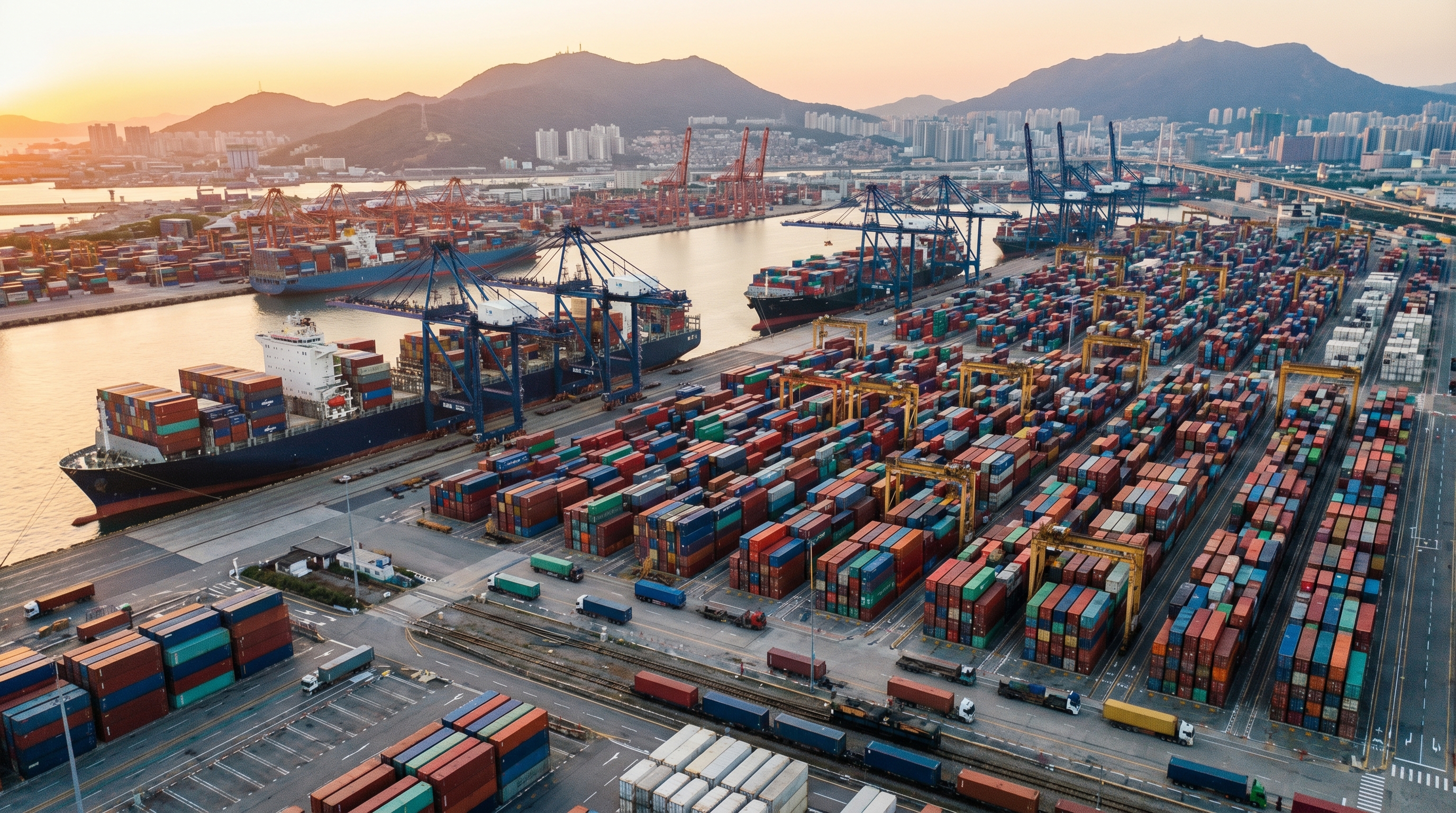
The Maritime Administration just announced nearly half a billion dollars in funding for port infrastructure projects across the United States. With awards ranging from $1 million to $112.5 million per project, the Port Infrastructure Development Program represents one of the largest federal investments in maritime infrastructure this fiscal year.
This program addresses a critical need. American ports handle over $5.4 trillion in cargo annually, yet many facilities struggle with aging infrastructure, capacity constraints, and environmental challenges. The Maritime Administration recognizes that modern, efficient ports are essential for economic competitiveness and supply chain resilience.
Who Can Apply for These Port Infrastructure Grants
Eligible applicants include port authorities, state and local governments, tribal governments, and private entities that own or operate port facilities. The program specifically targets projects that improve port efficiency, safety, and environmental performance.
Previous funding rounds have supported diverse projects including terminal modernization, intermodal connectivity improvements, cargo handling equipment upgrades, and climate resilience initiatives. Successful applicants typically demonstrate how their projects will increase cargo throughput, reduce emissions, or enhance port competitiveness.
Understanding the Cost-Sharing Requirement
Unlike some federal grant programs, the Port Infrastructure Development Program requires cost-sharing from recipients. This means you'll need to contribute a portion of the total project cost using non-federal funds. The exact percentage varies based on project type and applicant category.
For most projects, federal funding covers up to 80% of eligible costs, with recipients providing at least 20% in matching funds. However, rural and economically disadvantaged communities may qualify for higher federal cost-share percentages. Small projects under $10 million often receive more favorable matching requirements.
Acceptable matching funds include cash contributions, in-kind services, donated equipment, and previously incurred project costs. Document all matching fund sources carefully, as the Maritime Administration scrutinizes cost-sharing commitments during the evaluation process.
Strategic Project Categories That Win Funding
The Maritime Administration prioritizes projects that address specific national objectives. Climate resilience projects consistently score well, particularly those incorporating sea level rise adaptation, storm surge protection, or emission reduction technologies.
Intermodal connectivity projects also rank highly. These might include rail access improvements, truck gate automation, or inland waterway connections. The administration recognizes that efficient cargo movement requires integration across transportation modes.
Technology adoption represents another funding priority. Projects incorporating artificial intelligence for cargo tracking, automated cargo handling systems, or digital port management platforms demonstrate forward-thinking approaches that evaluators appreciate.
Application Timeline and Key Deadlines
With a June 1, 2026 deadline, you have substantial time to develop a competitive application. However, successful port infrastructure projects require extensive planning, environmental review, and stakeholder coordination.
Start by conducting a thorough needs assessment and feasibility study. Engage with port users, local communities, and environmental groups early in the process. Their input will strengthen your application and help identify potential implementation challenges.
Environmental compliance deserves particular attention. Most port projects trigger National Environmental Policy Act review, which can take 12-18 months to complete. Begin environmental documentation immediately, even for projects that seem straightforward.
Building a Winning Application Strategy
Strong applications clearly articulate the problem being solved and quantify expected benefits. Use specific metrics like cargo volume increases, emission reductions, or job creation numbers. The Maritime Administration evaluates applications based on economic impact, transportation benefits, and environmental outcomes.
Include detailed financial projections showing project sustainability beyond the grant period. Demonstrate that your organization has the technical capacity and financial resources to complete the project successfully. Highlight previous experience with similar infrastructure initiatives.
Regional economic impact data strengthens applications considerably. Show how your project will benefit the broader transportation network, create jobs, or support regional economic development goals. Letters of support from key stakeholders, including shipping lines, logistics companies, and local officials, add credibility.
Learning from Previous Award Winners
Recent Port Infrastructure Development Program awards provide valuable insights into competitive project types. The Port of Long Beach received $52 million for rail improvements that reduce truck traffic and emissions. The Port of Savannah secured funding for container yard expansion that increases capacity by 25%.
Smaller ports have also succeeded. The Port of Bellingham in Washington won funding for waterfront redevelopment that supports both commercial fishing and recreational boating. These examples show that projects of various scales and purposes can compete effectively.
Common Application Mistakes to Avoid
Many applications fail because they inadequately address cost-sharing requirements. Provide detailed documentation of matching fund sources and ensure commitments are legally binding before submission.
Technical feasibility represents another common weakness. Include engineering studies, geotechnical analysis, and construction timelines that demonstrate project viability. Unrealistic schedules or inadequate technical detail often lead to rejection.
Don't underestimate administrative requirements. The Maritime Administration requires extensive compliance documentation, including Buy America provisions, Davis-Bacon wage requirements, and environmental justice considerations.
Ready to pursue this significant funding opportunity? The Port Infrastructure Development Program offers substantial resources for transformative maritime projects, but success requires careful planning and expert guidance.
Create your free account on GovGrantsUSA today to access the complete application package, including detailed guidelines, scoring criteria, and submission requirements for the Port Infrastructure Development Program.
$120M in RESTORE Act Funding Available for Gulf Coast Constr... Next
NOAA Opens $100M Gulf Research Institute Competition: CINGA...
Related Articles
Up to $80M Available for Wildlife Crossing Projects: Is Your Agency Ready?
FHWA's Wildlife Crossings Pilot Program is offering approximately $80 million in FY2026 grant funding to reduce wildlife-vehicle collisions and restore habitat connectivity. Deadline: November 16, 2026.
PROTECT Grants: Up to $60M Available to Harden America's Transportation Infrastructure
FHWA's PROTECT Competitive Grant Program is offering up to $787M total, with individual awards up to $60M, to harden America's surface transportation systems against climate hazards.
HUD Releases $25M Youth Homelessness Grants for FY 2026 CoC Competition
HUD's FY 2026 Continuum of Care Competition offers grants up to $25M for community-wide homelessness programs, including youth-focused initiatives.
Find Grants That Match Your Organization
Create a free account, build your profile, and see which federal grants you qualify for.
Get Free Access