$750M Air Force Grant for Advanced Munitions Research Opens Through 2027
Independent platform. Not affiliated with or endorsed by any government agency. Data from public federal sources.
Update, checked Jun 28, 2026: Deadline Mar 21, 2027 (155 days left)
Munitions Directorate · FA865122S0001 · Up to $750,000,000
Major Defense Research Funding Available for Air Delivered Effects
The U.S. Air Force Munitions Directorate has released a substantial funding opportunity that could transform how military operations approach air-delivered systems. This Broad Agency Announcement (BAA) for Air Delivered Effects offers up to $750 million in research and development funding, with applications accepted until March 21, 2027.
This isn't your typical government grant program. The Air Force is looking for innovative solutions that can advance the capabilities of air-delivered munitions and related systems. The funding represents one of the largest defense research opportunities currently available to qualified organizations.
Understanding the Air Delivered Effects Program
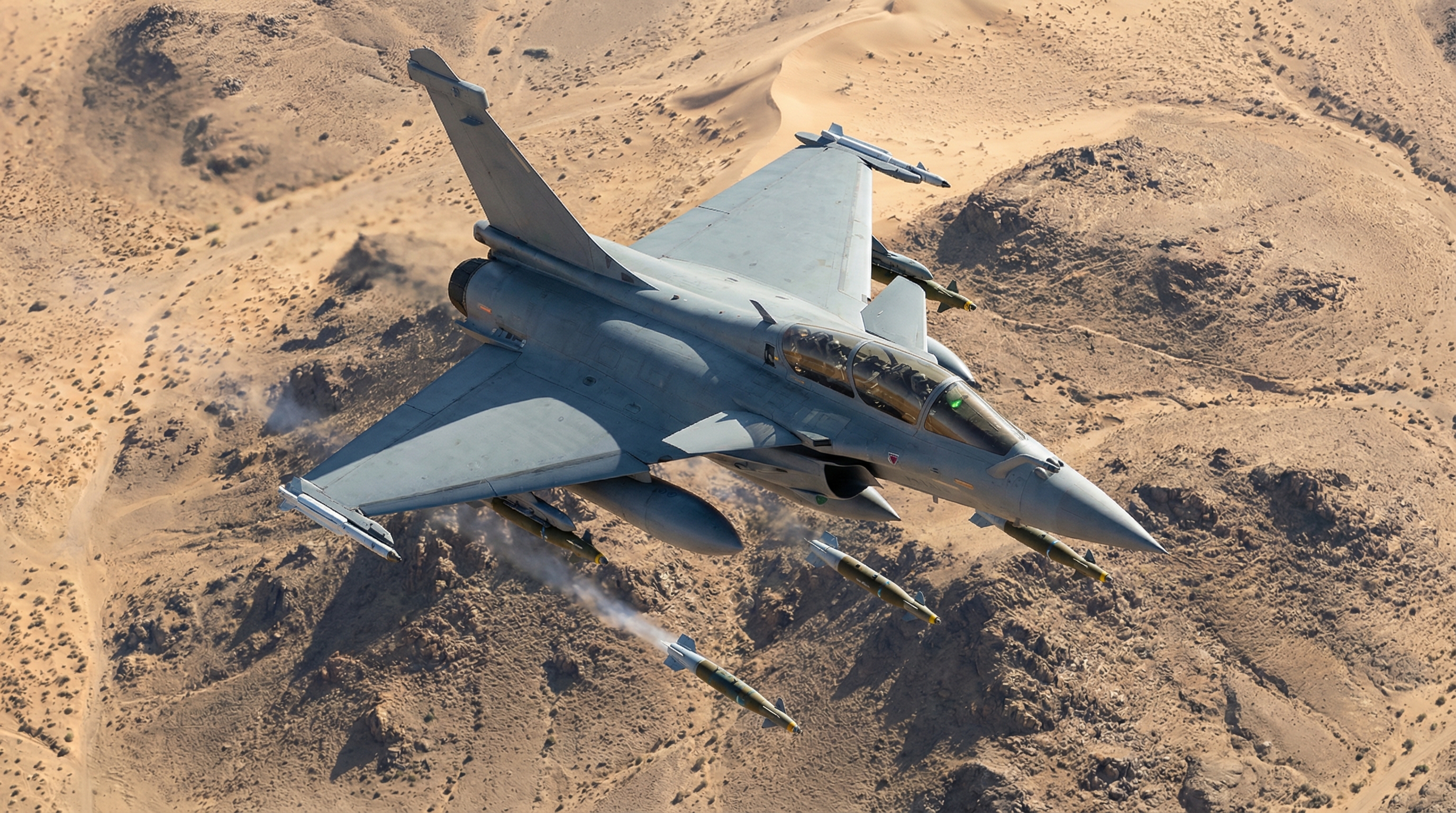
Air delivered effects encompass a broad range of military capabilities, from precision-guided munitions to advanced warheads and delivery systems. The Air Force Munitions Directorate oversees the development and deployment of these critical defense technologies.
The program seeks research proposals that can enhance accuracy, effectiveness, and operational capabilities of air-delivered systems. This includes work on guidance systems, propulsion technologies, warhead designs, and integration with existing aircraft platforms.
What makes this opportunity particularly attractive is the extended timeline. Unlike many federal grants with tight deadlines, this BAA remains open for nearly three more years. This gives organizations substantial time to develop comprehensive proposals and form strategic partnerships.
Who Can Apply for This Defense Research Grant
The Air Force typically awards these contracts to a diverse mix of organizations. Defense contractors, both large and small, represent the primary applicant pool. However, universities with relevant research capabilities and non-profit research institutions also compete successfully for portions of this funding.
Small businesses should pay particular attention to this opportunity. The Department of Defense often sets aside portions of large contracts for small business participation. Companies with specialized expertise in materials science, electronics, software development, or manufacturing processes may find niche opportunities within the broader program.
Academic institutions with strong engineering, physics, or computer science programs have historically performed well in defense research competitions. The Air Force values the innovative thinking and research capabilities that universities bring to complex technical challenges.
No Cost Sharing Requirements
One significant advantage of this grant opportunity is the absence of cost sharing requirements. Many federal grants require recipients to contribute matching funds, which can strain organizational budgets and limit participation. The Air Delivered Effects program eliminates this barrier.
This means your organization can receive 100% federal funding for approved research activities. You won't need to provide cash matches or in-kind contributions beyond what you propose in your technical approach.
The lack of cost sharing requirements makes this program particularly accessible to smaller organizations that might otherwise struggle to compete with larger contractors who can more easily absorb matching fund requirements.
Amendment 5 Updates
The current solicitation represents Amendment 5 of the original BAA. Amendments typically clarify requirements, update technical specifications, or modify submission procedures based on questions from potential applicants.
If you've been tracking this opportunity since its initial release, make sure to review all amendment details carefully. Changes could affect your proposal strategy, technical approach, or submission timeline.
Organizations considering their first application should review the complete BAA document, including all amendments, to understand the full scope of requirements and opportunities.
Strategic Considerations for Your Proposal
Success in defense research competitions requires more than technical excellence. The Air Force evaluates proposals based on innovation potential, technical feasibility, cost effectiveness, and alignment with military priorities.
Your proposal should demonstrate clear understanding of current operational challenges facing air-delivered systems. This means staying current with defense publications, attending relevant conferences, and understanding how your research could translate into operational capabilities.
Consider forming partnerships with complementary organizations. A university might partner with a defense contractor to combine research expertise with manufacturing capabilities. Small businesses might team with larger primes to access broader resources while contributing specialized knowledge.
The timeline matters significantly. With funding available through 2027, the Air Force likely expects substantial research programs rather than quick studies. Structure your proposal to show progressive milestones and increasing capability demonstrations over multiple years.
Application Timeline and Next Steps
While the March 21, 2027 deadline seems distant, successful defense contractors start their proposal development process months or even years in advance. Complex technical proposals require extensive planning, partner coordination, and multiple review cycles.
Start by obtaining the complete BAA document and all amendments. Review the technical requirements carefully and identify areas where your organization's capabilities align with Air Force needs.
Consider attending defense industry conferences where Air Force representatives discuss program priorities. These events provide valuable insights into evaluation criteria and program goals that aren't always explicit in written solicitations.
Ready to Pursue This $750M Opportunity?
The Air Delivered Effects program represents a significant opportunity for organizations with relevant technical capabilities. The substantial funding, extended timeline, and lack of cost sharing requirements make this an attractive option for defense research organizations.
Don't let this opportunity slip away. Create your free account on GovGrantsUSA today to access the complete grant documents, track important updates, and get started on your application. Our platform provides the tools and resources you need to identify, track, and apply for federal funding opportunities like this one. Sign up now and take the first step toward securing your share of this $750 million research program.
Army Corps Opens $999M Research Grant - No Cost Sharing Requ... Next
7 Budget Mistakes That Kill Federal Grant Applications (And...
Related Articles
SMART Scholarship Program: $1.3 Billion to Build America's Defense STEM Workforce
The Department of the Army is offering up to $1.3 billion through a single Cooperative Agreement to manage the SMART Scholarship-for-Service Program. Deadline is December 3, 2026.
HUD Releases $25M Youth Homelessness Grants for FY 2026 CoC Competition
HUD's FY 2026 Continuum of Care Competition offers grants up to $25M for community-wide homelessness programs, including youth-focused initiatives.
HUD Section 4 Grant: Up to $42M for Community Development Organizations
HUD's Section 4 program offers $1-42 million grants to strengthen Community Development Corporations and CHDOs through training, financial assistance, and capacity building activities.
Find Grants That Match Your Organization
Create a free account, build your profile, and see which federal grants you qualify for.
Get Free Access