Up to $80M Available for Wildlife Crossing Projects: Is Your Agency Ready?
Independent platform. Not affiliated with or endorsed by any government agency. Data from public federal sources.
Update, checked Oct 15, 2026: Deadline Nov 16, 2026 (31 days left)
DOT Federal Highway Administration · FHWA-WCPP-26-002 · Up to $80,000,000
The Federal Government Is Paying for Wildlife Crossings, and the Funding Is Serious
If you work in transportation planning, conservation, or state/tribal infrastructure, this is an opportunity worth clearing your calendar for. The Federal Highway Administration just released the Fiscal Year 2026 Wildlife Crossings Pilot Program (WCPP) notice of funding opportunity, opportunity number FHWA-WCPP-26-002, and it comes with approximately $80 million in available grant funding. The deadline to apply is November 16, 2026, which sounds far away, but applications of this complexity take longer to prepare than most people expect.
Let's break down what this program is, who can apply, and what you actually need to do to put together a competitive application.
What the Wildlife Crossings Pilot Program Is Trying to Accomplish
Wildlife-vehicle collisions are a massive and underappreciated problem in the United States. Estimates put the annual number of deer-vehicle collisions alone at over 1.5 million, causing roughly 440 human fatalities, 59,000 injuries, and more than $8 billion in property damage every year. That's before you factor in elk, mountain lions, bears, and dozens of other species that cross roads and don't always make it.
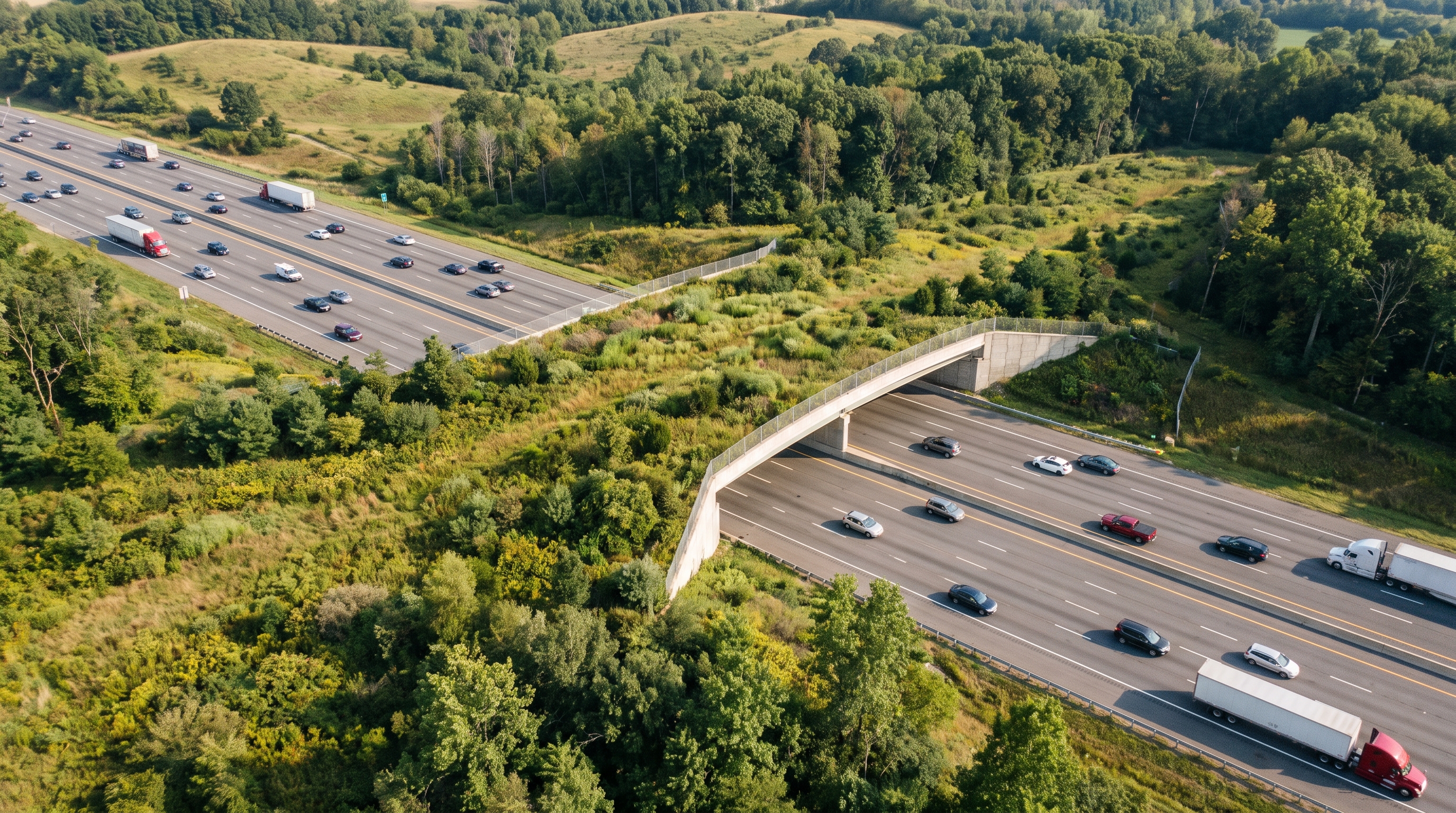
The WCPP exists to fund physical infrastructure solutions to this problem. We're talking about overpasses and underpasses designed specifically for wildlife, exclusion fencing that channels animals toward safe crossing points, and improvements to culverts and bridges that help aquatic species like salmon move freely between habitats.
The program has a dual mandate. First, it wants to reduce collisions and improve safety for drivers. Second, it explicitly aims to improve habitat connectivity for both terrestrial and aquatic species. That dual focus matters for your application strategy, which we'll get to in a moment.
Who Is Eligible to Apply
FHWA has defined a specific list of eligible entities for this program. Before you invest hours in planning an application, confirm that your organization falls into one of these categories:
- State departments of transportation
- Metropolitan planning organizations (MPOs)
- Federally recognized Tribal governments
- Local governments
- Regional transportation planning organizations
- Federal land management agencies (such as USFS, BLM, NPS)
Nonprofit organizations and private entities are generally not eligible to apply directly, but they can play important roles as project partners, subcontractors, or co-applicants depending on how a lead eligible entity structures the application.
The Cost-Sharing Requirement You Cannot Ignore
This grant requires cost sharing, and that requirement is listed prominently for a reason. You need to come in with a meaningful non-federal match. Historically, WCPP applications have been stronger when the match is substantial, not just meeting the minimum threshold.
Start talking to your state legislature, county commissioners, transportation budget offices, or conservation foundation partners now. If you're a tribal government, explore whether tribal transportation program funds or BIA dollars can serve as match. Some applicants have successfully used previously committed state transportation improvement program (STIP) funds as part of their match package. Document everything clearly and early.
What Makes a Competitive Application
FHWA is not just looking for a good idea. They want to see projects with demonstrated need, sound engineering, and a clear connection between the infrastructure investment and measurable outcomes. Here's what the stronger applications tend to have in common:
- Data on collision hotspots. Use your state DOT crash data, GPS wildlife tracking studies, or road-kill reporting databases to show exactly where WVCs are concentrated. Specific milepost numbers, county roads, or highway segments are more convincing than regional generalizations.
- Species connectivity analysis. Partner with your state wildlife agency or a university wildlife biologist to document what species are present, how they move through the area, and how the proposed crossing would reconnect fragmented habitat. Genetics studies showing population isolation are particularly compelling.
- Stakeholder coordination. FHWA wants to see that you've engaged with tribal nations, adjacent landowners, conservation organizations, and other relevant parties. Letters of support from a mix of transportation and ecological stakeholders carry real weight.
- Shovel-readiness or a credible timeline. Projects that have completed environmental review or are well along in the NEPA process are more competitive than ones starting from scratch. If you're early in the process, be realistic and transparent about your timeline.
- Maintenance plan. Who maintains the crossing structure after it's built? How will you monitor whether wildlife are actually using it? Camera trap monitoring plans, maintenance agreements, and long-term stewardship commitments show FHWA you've thought past the ribbon-cutting.
No Minimum or Maximum Award Size
One detail in the NOFO that stands out: FHWA explicitly states there is no minimum or maximum award size. The $80 million figure on Grants.gov is a system requirement, not a cap on individual awards. This means a smaller tribal transportation project could request $2 million, while a large state DOT project along a major Interstate corridor could request $30 million or more. Size your request to your actual project scope, not to what you think sounds impressive or modest.
Additional Funding May Be Available
The NOFO also notes that DOT may award remaining and available funds from previous fiscal years under this same opportunity. That's meaningful. If prior-year funds were unspent or returned, FHWA has discretion to distribute them through this announcement. It's not guaranteed, but it's another reason to submit a strong, complete application rather than holding back for a future cycle.
Getting Your Application Together
November 16, 2026 may feel like plenty of time, but wildlife crossing applications are genuinely complex. You'll need engineering studies, biological assessments, crash data analysis, cost estimates, environmental documentation, and coordination letters from multiple agencies. Plan backwards from the deadline and give yourself at least four to six months of active preparation.
If you don't already have a relationship with your state DOT's wildlife or environment division, start that conversation this week. Many successful WCPP applications have come from state-local or state-tribal partnerships where the state brings transportation expertise and federal aid program familiarity, while the local or tribal partner brings site control and community knowledge.
Start Your Application Process Today
The Wildlife Crossings Pilot Program is one of the most well-funded opportunities for transportation and conservation infrastructure in the federal grant calendar. The dual mission of saving human lives and protecting wildlife habitat means you can build a genuinely compelling case that resonates with a wide range of reviewers.
Ready to take the first step? Create your free account on GovGrantsUSA to access our full database of federal grant opportunities, track the WCPP deadline, and get guidance on building a competitive application. Tens of thousands of grant-seekers use GovGrantsUSA to stay organized and informed. Sign up today and make sure your project gets the funding it deserves.
Related Articles
PROTECT Grants: Up to $60M Available to Harden America's Transportation Infrastructure
FHWA's PROTECT Competitive Grant Program is offering up to $787M total, with individual awards up to $60M, to harden America's surface transportation systems against climate hazards.
HUD Releases $25M Youth Homelessness Grants for FY 2026 CoC Competition
HUD's FY 2026 Continuum of Care Competition offers grants up to $25M for community-wide homelessness programs, including youth-focused initiatives.
$165 Million Available for Tribal and Federal Lands Transportation Projects Through 2026
The Federal Highway Administration is offering $165 million through 2026 for transportation infrastructure projects serving tribal lands and federal properties. Awards range from $1-30 million.
Find Grants That Match Your Organization
Create a free account, build your profile, and see which federal grants you qualify for.
Get Free Access