$9.7B Available: DOT's Bridge Investment Program Now Open with Rolling Applications
Independent platform. Not affiliated with or endorsed by any government agency. Data from public federal sources.
Closed: this opportunity closed on Jun 29, 2026.
The advice in this article still applies to future cycles. Related open opportunities are listed below.
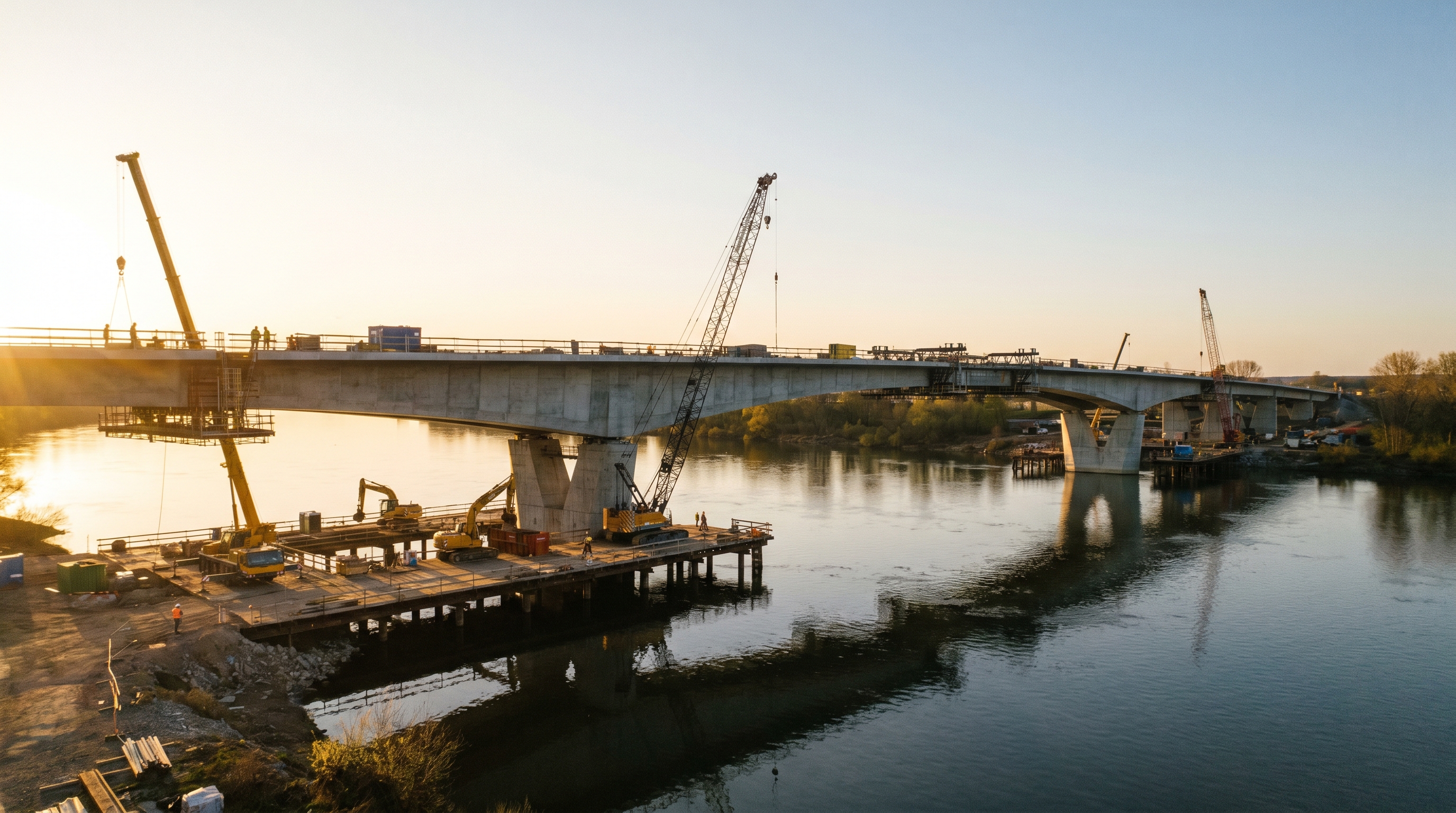
The Department of Transportation's Federal Highway Administration has opened applications for one of the largest infrastructure grant programs in recent memory. The Bridge Investment Program offers up to $9.7 billion through fiscal year 2026, with individual awards ranging from $50,000 to $80 million for planning studies and bridge projects.
Two Distinct Funding Categories
This grant opportunity targets two specific types of projects. Planning grants support preliminary studies, environmental reviews, and design work needed before construction begins. These awards typically range from $50,000 to several million dollars and help communities prepare for larger infrastructure investments.
Bridge Project grants fund actual construction, rehabilitation, or replacement of bridges with total eligible costs up to $100 million. These awards represent the bulk of available funding and can transform transportation networks in communities across America.
The program uses a rolling application process, meaning you don't have to wait for annual deadlines. Planning applications must be submitted by June 15, 2026, while Bridge Project applications are due June 29, 2026. This extended timeline gives applicants flexibility to develop strong proposals without rushing.
Who Can Apply
Eligible applicants include state transportation departments, metropolitan planning organizations, local governments, tribal governments, federal land management agencies, and certain transit agencies. Counties, cities, and regional authorities that own or maintain bridges can also apply directly.
Public-private partnerships are eligible, but the public entity must be the primary applicant. This opens opportunities for innovative financing and delivery methods while maintaining public oversight.
Cost Sharing Requirements
All applications must include matching funds, though the specific percentage varies by project type and applicant. Rural areas, economically disadvantaged communities, and tribal governments typically receive more favorable matching requirements.
For most Bridge Projects, expect to provide at least 20% matching funds. Planning grants often require 20% as well, but some applicants may qualify for reduced matches down to 10% or even lower in exceptional circumstances.
Matching funds can come from state transportation budgets, local general funds, special assessments, or other federal programs where allowed. In-kind services and donated materials may count toward the match requirement.
What Projects Get Priority
The Federal Highway Administration evaluates applications based on several key criteria. Projects addressing structurally deficient or functionally obsolete bridges receive high priority, especially those on the National Highway System or major freight corridors.
Economic impact carries significant weight in the evaluation process. Applications should demonstrate how bridge improvements will support job creation, economic development, or freight movement. Projects that connect disadvantaged communities to employment centers or essential services also score well.
Climate resilience has become increasingly important in recent funding cycles. Projects that improve flood resistance, seismic stability, or extreme weather preparedness align with current federal priorities. Similarly, projects that reduce greenhouse gas emissions through improved traffic flow or multimodal connections receive favorable consideration.
Recent Program Updates
Amendment No. 2 to the original notice aligned the program with current Biden Administration policies and departmental priorities. This update emphasizes equity, climate action, and economic opportunity creation.
The amendment also established a process for applicants who submitted during the FY 2025 cycle to modify their applications. If you submitted before October 1, 2024 for Planning grants or November 1, 2024 for Bridge Projects, you'll receive specific instructions about updating your proposal.
Application Strategy Tips
Start with a comprehensive bridge inspection report that clearly documents current conditions and safety concerns. Federal reviewers want detailed technical information about structural deficiencies, load restrictions, and maintenance costs.
Develop realistic cost estimates using current construction prices and include appropriate contingencies. Underestimating project costs is one of the most common reasons applications get rejected or receive reduced funding awards.
Build strong community support before submitting. Letters from local officials, business organizations, and community groups demonstrate broad backing for your project. Include specific examples of how bridge problems affect daily life, emergency response, or economic activity.
Consider environmental and permitting timelines carefully. Projects that have already completed environmental reviews or have clear permitting pathways move faster through the selection process.
Large Bridge Projects
Projects with total costs exceeding $100 million compete under a separate notice (693JJ323NF00019) with $3.0 billion available for FY 2025 and FY 2026. These mega-projects undergo more intensive review but can receive awards up to several hundred million dollars.
If your project might exceed the $100 million threshold, carefully consider which category offers the best fit. Sometimes breaking large projects into phases allows you to compete in the smaller category while maintaining overall project integrity.
Getting Started
Begin by reviewing your bridge inventory and identifying priority needs. Engage with your state DOT early, as they often provide technical assistance and can help coordinate applications with state transportation plans.
Don't wait until the deadline approaches to start your application. The most successful proposals typically take six to twelve months to develop properly, especially when environmental reviews or community engagement are required.
Ready to explore this $9.7 billion opportunity? Create your free account on GovGrantsUSA today to access the complete application materials, track deadlines, and get expert guidance on developing a winning Bridge Investment Program proposal.
Bureau of Reclamation Offers Up to $120M for Desalination Pr... Next
$105M Available for State Commercial Driver's License Progra...
Related Articles
Up to $80M Available for Wildlife Crossing Projects: Is Your Agency Ready?
FHWA's Wildlife Crossings Pilot Program is offering approximately $80 million in FY2026 grant funding to reduce wildlife-vehicle collisions and restore habitat connectivity. Deadline: November 16, 2026.
PROTECT Grants: Up to $60M Available to Harden America's Transportation Infrastructure
FHWA's PROTECT Competitive Grant Program is offering up to $787M total, with individual awards up to $60M, to harden America's surface transportation systems against climate hazards.
$165 Million Available for Tribal and Federal Lands Transportation Projects Through 2026
The Federal Highway Administration is offering $165 million through 2026 for transportation infrastructure projects serving tribal lands and federal properties. Awards range from $1-30 million.
Find Grants That Match Your Organization
Create a free account, build your profile, and see which federal grants you qualify for.
Get Free Access