Bureau of Reclamation Offers Up to $120M for Desalination Projects Through WaterSMART
Independent platform. Not affiliated with or endorsed by any government agency. Data from public federal sources.
Update, checked Oct 17, 2026: Deadline Aug 26, 2027 (313 days left)
Bureau of Reclamation · R26AS00034 · Up to $120,000,000
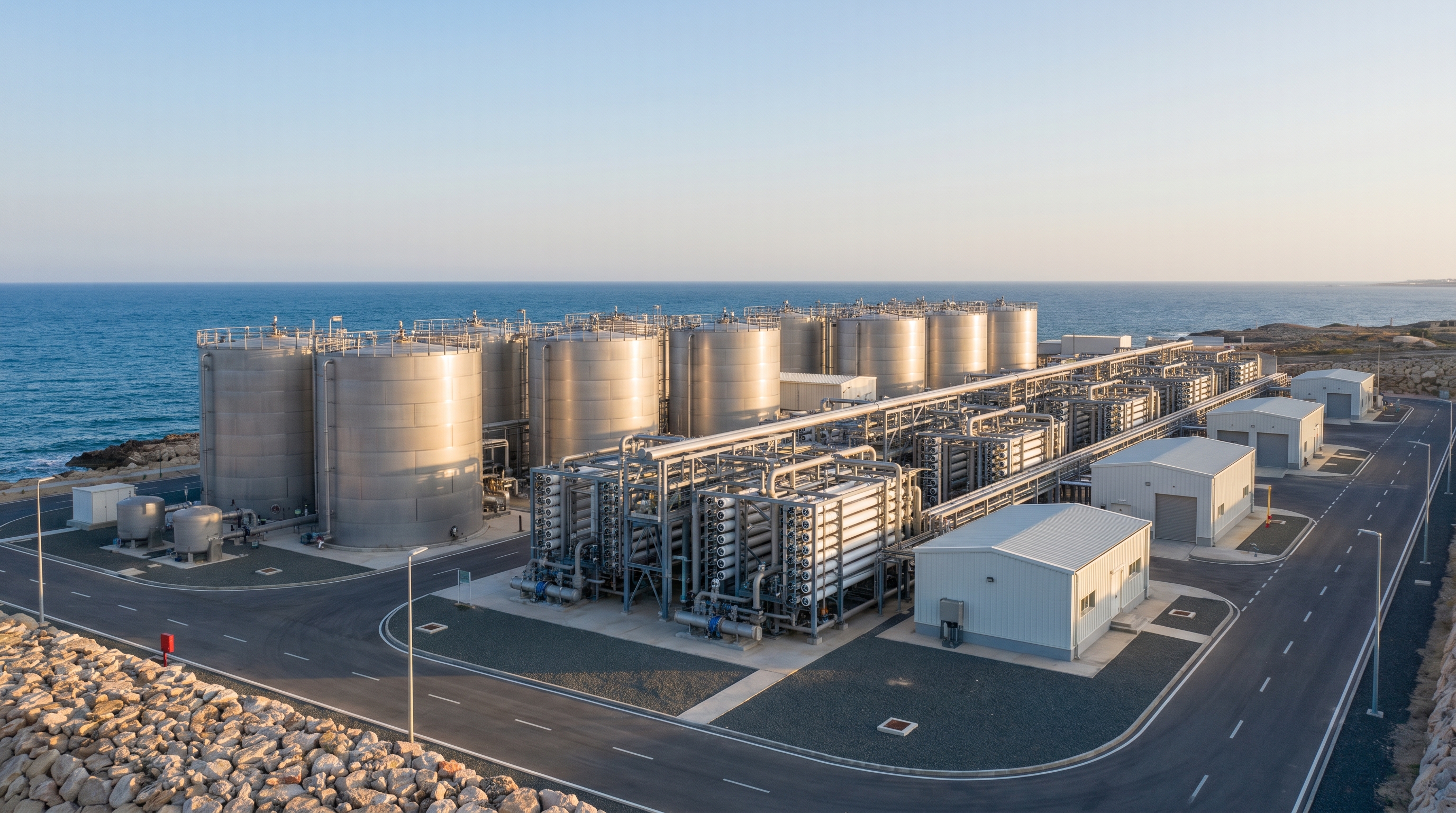
Water scarcity continues to challenge communities across the United States, but the Bureau of Reclamation's latest funding opportunity could help address this critical issue. The WaterSMART Desalination Construction Projects grant program offers up to $120 million to support the planning, design, and construction of desalination facilities nationwide.
Grant Overview: Turning Salt Water into Solutions
This substantial funding opportunity, identified as R26AS00034, represents one of the most significant federal investments in desalination infrastructure. The program accepts applications for projects ranging from $1,000 to $120 million, making it accessible to both small-scale community initiatives and major regional infrastructure developments.
The Bureau of Reclamation designed this program to work cooperatively with states, tribes, and other eligible entities. Projects can focus on desalinating seawater, brackish surface water, or brackish groundwater, providing communities with diverse options for expanding their water supply portfolios.
Why Desalination Matters Now
Desalination projects serve multiple critical functions in today's water management strategy. They provide growing communities with new sources of local water supply, which reduces dependence on traditional water sources that may be subject to drought or other disruptions.
These projects also increase water management flexibility during shortage periods. When traditional water sources face stress from climate conditions or increased demand, desalination facilities can help bridge the gap. This diversification makes overall water supplies more reliable and resilient.
The timing aligns with current federal priorities, including Presidential Executive Order 14154 and Secretarial Order 3418, which emphasize energy independence and infrastructure development.
Who Can Apply
The program welcomes applications from various entities, including:
- State and local governments
- Tribal governments
- Water districts and authorities
- Municipal corporations
- Other qualifying public entities
The broad eligibility requirements allow for creative partnerships and collaborative approaches to desalination infrastructure development.
Cost Sharing Requirements
Applicants must provide matching funds for their projects. While the specific cost-sharing percentages aren't detailed in the basic announcement, most Bureau of Reclamation programs typically require recipients to contribute 25% to 50% of total project costs.
This cost-sharing requirement demonstrates community commitment to the project and ensures that local stakeholders have skin in the game. It also allows federal dollars to stretch further by supporting more projects across different regions.
Project Scope and Eligible Activities
The program covers three main phases of desalination facility development:
Planning Phase
Early-stage activities include feasibility studies, environmental assessments, and preliminary engineering work. These foundational activities help communities determine whether desalination makes sense for their specific situation and what approach would work best.
Design Phase
Detailed engineering design work, permitting support, and final project specifications fall under this category. Communities that have completed initial planning can use these funds to develop construction-ready designs.
Construction Phase
Actual facility construction represents the most significant funding category. This includes equipment procurement, installation, and facility commissioning to bring new desalination capacity online.
Strategic Considerations for Applicants
Successful applications will need to demonstrate several key elements. First, they should show clear community need for additional water supply and explain why desalination represents the most appropriate solution.
Environmental considerations play a crucial role in desalination projects. Applicants should address energy requirements, brine disposal methods, and overall environmental impacts. Projects that incorporate renewable energy sources or innovative brine management approaches may have competitive advantages.
Economic viability matters too. Applications should include realistic cost projections, operations and maintenance plans, and sustainable financing strategies for long-term facility operation.
Timeline and Application Process
The August 26, 2027 deadline provides substantial time for application development, which is appropriate given the complexity of desalination projects. This extended timeline allows communities to conduct thorough planning, build partnerships, and develop comprehensive proposals.
The application process will likely require detailed technical specifications, environmental impact assessments, and financial projections. Communities should start early to allow time for proper planning and stakeholder engagement.
Making Your Application Competitive
Strong applications will demonstrate innovation in desalination technology or approaches. This might include energy-efficient processes, novel brine management strategies, or integration with renewable energy systems.
Community partnerships can strengthen applications significantly. Collaborations between municipalities, water districts, and private sector partners show broad support and shared commitment to project success.
Clear documentation of water supply challenges and how desalination addresses specific community needs will resonate with reviewers. Quantifiable benefits, such as gallons per day of new capacity or number of residents served, help demonstrate project impact.
Getting Started
Communities interested in desalination should begin with preliminary feasibility assessments to understand their specific opportunities and challenges. This groundwork will inform whether to pursue planning, design, or construction funding through this program.
Ready to explore this significant funding opportunity? Create your free account on GovGrantsUSA today to access the full Notice of Funding Opportunity, receive application deadlines and updates, and connect with resources to help you develop a winning proposal for desalination infrastructure in your community.
USDA Opens $200 Million Food for Peace Program for Emergency... Next
$9.7B Available: DOT's Bridge Investment Program Now Open wi...
Related Articles
$40M Bureau of Reclamation Grant for Water Recycling Projects Now Open
Bureau of Reclamation offers up to $40 million for water recycling projects through Title XVI program. Cost sharing required, deadline August 26, 2027.
Bureau of Reclamation Offers Up to $130M for Large-Scale Water Recycling Projects
The Bureau of Reclamation offers up to $130 million for large-scale water recycling projects with minimum $500M total costs. Federal funding covers up to 25% with required cost-sharing.
Find Grants That Match Your Organization
Create a free account, build your profile, and see which federal grants you qualify for.
Get Free Access