Bureau of Reclamation Offers Up to $130M for Large-Scale Water Recycling Projects
Independent platform. Not affiliated with or endorsed by any government agency. Data from public federal sources.
Closed: this opportunity closed on May 13, 2026.
The advice in this article still applies to future cycles. Related open opportunities are listed below.
- Native American Affairs: Fiscal Year 2025 Colorado River Basin Tribal Drought Resiliency Program (deadline Nov 20, 2026)
- WaterSMART: Desalination Construction Projects (deadline Aug 26, 2027)
- Title XVI Water Reclamation and Reuse Projects (deadline Aug 26, 2027)
Water scarcity continues to challenge communities across the United States, particularly in the arid West where drought conditions have become increasingly common. The Bureau of Reclamation's WaterSMART Large-Scale Water Recycling Projects grant program offers a significant opportunity for eligible entities to secure federal funding for transformative water infrastructure projects.
Understanding the WaterSMART Large-Scale Program
This isn't your typical small-scale grant opportunity. The Bureau of Reclamation is specifically targeting major infrastructure investments with a minimum total project cost of $500 million. The federal government will contribute up to 25% of these massive undertakings, with individual awards ranging from $1,000 to $130 million.
The program aligns with recent executive orders including Presidential Executive Order 14154 on "Unleashing American Energy" and supports the broader WaterSMART initiative that has been funding water conservation and efficiency projects for over a decade.
Who Can Apply
Eligible applicants include a diverse range of entities positioned to tackle large-scale water recycling challenges:
- States and their political subdivisions
- Federally recognized Indian Tribes
- Irrigation districts and water districts
- Municipal water suppliers
- Nonprofit organizations with water or power delivery authority
- Regional water authorities
- Water user organizations
The key requirement is demonstrating the technical and financial capacity to successfully complete a project worth at least $500 million.
What Projects Qualify
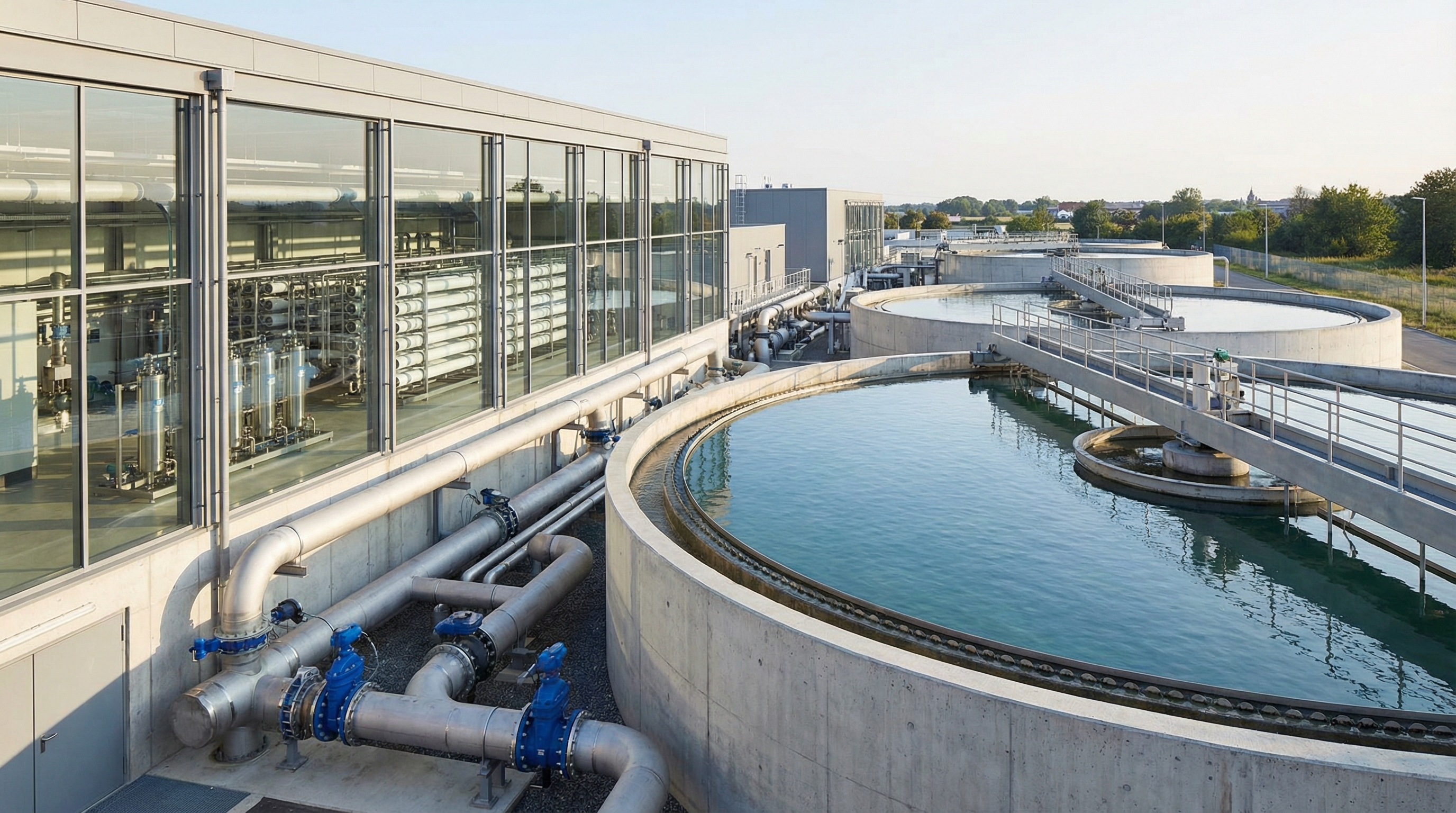
The program focuses specifically on water recycling infrastructure that can significantly increase regional water supply reliability. Qualifying projects typically include:
Advanced Water Treatment Facilities: Construction of new facilities or major expansion of existing ones that can process wastewater, brackish water, or other non-traditional water sources into potable or near-potable water.
Distribution Infrastructure: Pipeline systems, pump stations, and storage facilities needed to deliver recycled water to end users.
Integrated Regional Systems: Multi-jurisdictional projects that serve multiple communities or water agencies, maximizing the regional impact of the investment.
Projects must demonstrate clear benefits in terms of water supply reliability, drought resilience, and long-term sustainability. The Bureau particularly values projects that can serve as models for replication in other regions facing similar water challenges.
The Cost-Share Requirement
Understanding the financial structure is critical for potential applicants. With the federal government covering up to 25% of costs, applicants must secure the remaining 75% through other sources. This typically involves:
- State and local government funding
- Revenue bonds backed by water rate increases
- Private sector partnerships
- Other federal programs (where allowable)
- Regional water authority contributions
For a $500 million project, applicants would need to demonstrate access to $375 million in non-federal funding while requesting up to $125 million from this program.
Application Timeline and Process
With a deadline of May 13, 2026, applicants have substantial time to develop thorough proposals. However, given the complexity and scale of these projects, starting early is essential. The application process typically requires:
Environmental Compliance: Large-scale water projects require extensive environmental review under the National Environmental Policy Act (NEPA). Applicants should begin this process immediately if not already underway.
Technical Feasibility Studies: Detailed engineering analyses demonstrating project viability, including water quality considerations, treatment technology selection, and system integration plans.
Financial Documentation: Proof of non-federal funding commitments, rate-setting authority, and long-term financial sustainability plans.
Regional Impact Analysis: Clear demonstration of how the project addresses regional water supply challenges and supports economic development.
Recent Success Stories
Previous WaterSMART funding has supported groundbreaking projects across the country. The Pure Water San Diego program, for example, has become a model for large-scale water recycling, ultimately producing 83 million gallons of purified water daily. Similar projects in Orange County, California, and other locations have demonstrated the viability and public acceptance of advanced water recycling technology.
Strategic Considerations
Successful applicants typically share several characteristics. They have strong regional partnerships that demonstrate broad support for the project. They've completed preliminary engineering and environmental studies that prove technical feasibility. Most importantly, they have secure non-federal funding commitments that show the project can move forward regardless of the federal award timing.
Projects with multiple benefits often score higher in the evaluation process. Water recycling facilities that also provide flood control, groundwater recharge, or environmental restoration benefits can make more compelling cases for federal investment.
Getting Started
Given the scale and complexity of these projects, organizations interested in applying should begin preparation immediately. This includes engaging with technical consultants experienced in large-scale water treatment design, securing preliminary funding commitments from local partners, and initiating required environmental reviews.
The Bureau of Reclamation also offers technical assistance to potential applicants, including pre-application meetings and guidance on proposal development. Taking advantage of these resources can significantly improve proposal quality and competitiveness.
Ready to pursue this transformational funding opportunity? Create your free account on GovGrantsUSA today to access detailed application materials, track important deadlines, and connect with expert grant writers who specialize in large-scale infrastructure projects.
FEMA's $150M BRIC Program: Fund Infrastructure Projects That... Next
Amtrak Receives $1.1+ Billion Federal Grant for Operations a...
Related Articles
Up to $80M Available for Wildlife Crossing Projects: Is Your Agency Ready?
FHWA's Wildlife Crossings Pilot Program is offering approximately $80 million in FY2026 grant funding to reduce wildlife-vehicle collisions and restore habitat connectivity. Deadline: November 16, 2026.
$800M Available for Culvert Projects That Help Fish Migration
The Federal Highway Administration's Culvert Aquatic Organism Passage program offers up to $800 million for projects that improve fish migration by replacing or repairing culverts and weirs.
$40M Bureau of Reclamation Grant for Water Recycling Projects Now Open
Bureau of Reclamation offers up to $40 million for water recycling projects through Title XVI program. Cost sharing required, deadline August 26, 2027.
Find Grants That Match Your Organization
Create a free account, build your profile, and see which federal grants you qualify for.
Get Free Access