FEMA's $150M BRIC Program: Fund Infrastructure Projects That Prevent Disaster Damage
Independent platform. Not affiliated with or endorsed by any government agency. Data from public federal sources.
Closed: this opportunity closed on Jul 23, 2026.
The advice in this article still applies to future cycles. Related open opportunities are listed below.
- Fiscal Year 2027 Counter Unmanned Aircraft Systems (C-UAS) Grant Program (deadline Nov 16, 2026)
- Fiscal Year 2024 Flood Mitigation Assistance Swift Current (deadline Dec 30, 2026)
- Fiscal Year 2026 Flood Mitigation Assistance Swift Current (deadline Jan 31, 2028)
Natural disasters cost the United States over $90 billion annually, but what if communities could prevent much of that damage before it happens? FEMA's Building Resilient Infrastructure and Communities (BRIC) program offers exactly that opportunity, with up to $150 million available for fiscal years 2024 and 2025.
What Makes BRIC Different from Traditional Disaster Funding
Most federal disaster programs operate like an emergency room, treating damage after it occurs. BRIC takes a preventive medicine approach. Instead of writing checks to rebuild after hurricanes, floods, or wildfires, this program funds projects that make communities disaster-resistant from the start.
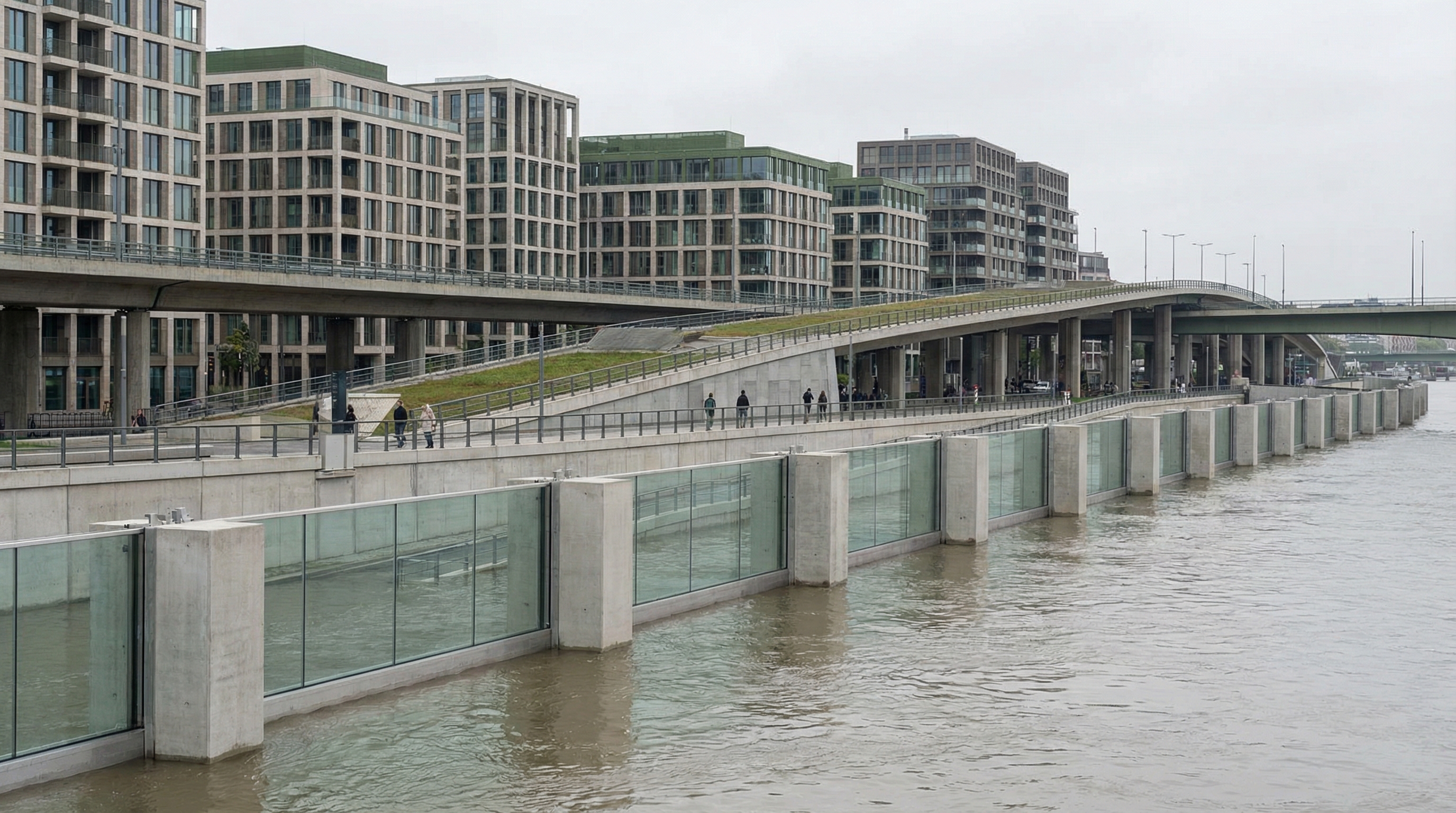
The program specifically targets infrastructure and construction projects that deliver immediate, measurable risk reduction. Think flood barriers that protect downtown business districts, storm-resistant bridges that keep evacuation routes open, or upgraded water treatment facilities that continue operating during emergencies.
Who Can Apply and What Projects Get Priority
BRIC opens its doors to a wide range of applicants:
- State governments
- U.S. territories
- Federally recognized tribal governments
- Local governments (cities, counties, special districts)
The program strongly favors infrastructure projects over planning activities. While previous versions of FEMA mitigation programs funded extensive studies and capacity-building efforts, BRIC concentrates on tangible construction that reduces risk immediately after completion.
Building code adoption and enforcement receive special attention. Communities that adopt modern building codes often see 50% fewer damages from similar disasters compared to areas with outdated standards. BRIC recognizes this reality by prioritizing code-related projects that directly tie to infrastructure resilience.
Funding Details That Matter for Your Budget
Awards can reach up to $150 million, but don't expect to receive that full amount unless your project truly warrants it. FEMA evaluates applications based on cost-effectiveness, with preference given to projects that prevent more dollars in damage than they cost to build.
Cost sharing requirements mean your organization must contribute matching funds. The exact percentage varies by project type and applicant, but budget at least 25% in local match for most projects. Some communities with limited financial capacity may qualify for reduced matching requirements.
Many BRIC awards receive funding from the Infrastructure Investment and Jobs Act, which allocated billions specifically for resilient infrastructure. This federal investment demonstrates serious commitment to the program's long-term success.
Real Examples of Successful BRIC Projects
Previous BRIC recipients have funded diverse projects that demonstrate the program's flexibility:
- A Texas county built elevated roadways in flood-prone areas, keeping emergency services operational during major storms
- A Pacific Northwest city retrofitted critical facilities to earthquake standards, protecting essential services
- A Florida municipality installed advanced stormwater management systems that prevent repetitive flooding in residential neighborhoods
- A tribal government constructed wildfire-resistant community centers that serve as evacuation shelters
Application Strategy for Maximum Success
BRIC applications require more than good intentions. Successful applicants demonstrate clear risk reduction with quantifiable benefits. Your application needs solid data showing current vulnerability and projected improvement after project completion.
Benefit-cost analysis carries significant weight in scoring. FEMA wants to see that every dollar invested will prevent multiple dollars in future damage. Communities often hire specialized consultants to conduct these analyses, as the calculations involve complex modeling of disaster frequency and potential impacts.
Geographic diversity also influences selections. FEMA aims to fund projects across different regions and hazard types, so don't assume your area already receives too much federal attention.
Key Dates and Application Process
Applications must be submitted through FEMA Grants Outcomes (GO) system at go.fema.gov by July 23, 2026. That deadline provides substantial planning time, which successful applicants use wisely.
Start your preparation now, even with the distant deadline. Complex infrastructure projects require extensive engineering studies, environmental reviews, and community input. The strongest applications show detailed project planning with realistic timelines and thoroughly vetted designs.
FEMA typically announces awards 12-18 months after the application deadline, with funding available for up to three years once awarded. This extended timeline accommodates the complex nature of infrastructure construction.
Why BRIC Matters for Your Community's Future
Climate change is intensifying weather patterns, making yesterday's 100-year floods into tomorrow's regular occurrences. Communities that invest in resilience now will spend less on recovery later while protecting lives and economic stability.
BRIC represents a fundamental shift in how America approaches disaster management. Rather than accepting damage as inevitable, this program empowers communities to build their way out of vulnerability. The $150 million available for these two fiscal years could fund projects protecting millions of Americans from future disasters.
Ready to explore whether BRIC fits your community's resilience needs? The application process requires careful preparation, but the potential impact makes this effort worthwhile. Start by assessing your area's greatest natural hazard risks and identifying infrastructure improvements that could provide meaningful protection.
Create a free account on GovGrantsUSA today to access detailed application guidance, track this opportunity's updates, and discover other federal funding programs that could support your community's resilience goals.
$250M SPARK Grant: Fast-Track Your Power Grid Upgrades Throu... Next
Bureau of Reclamation Offers Up to $130M for Large-Scale Wat...
Related Articles
Up to $80M Available for Wildlife Crossing Projects: Is Your Agency Ready?
FHWA's Wildlife Crossings Pilot Program is offering approximately $80 million in FY2026 grant funding to reduce wildlife-vehicle collisions and restore habitat connectivity. Deadline: November 16, 2026.
PROTECT Grants: Up to $60M Available to Harden America's Transportation Infrastructure
FHWA's PROTECT Competitive Grant Program is offering up to $787M total, with individual awards up to $60M, to harden America's surface transportation systems against climate hazards.
HUD Releases $25M Youth Homelessness Grants for FY 2026 CoC Competition
HUD's FY 2026 Continuum of Care Competition offers grants up to $25M for community-wide homelessness programs, including youth-focused initiatives.
Find Grants That Match Your Organization
Create a free account, build your profile, and see which federal grants you qualify for.
Get Free Access