USDA Opens $200 Million Food for Peace Program for Emergency Food Assistance in Seven Countries
Independent platform. Not affiliated with or endorsed by any government agency. Data from public federal sources.
Closed: this opportunity closed on Jun 12, 2026.
The advice in this article still applies to future cycles. Related open opportunities are listed below.
- Assisting Specialty Crop Exports: Low Oxygen Storage and Packaging Systems for U.S. Tree Nuts with Phytosanitary Traceability (deadline Oct 26, 2026)
- Plant Protection Act Section 7721 Fiscal Year 2027 National Clean Plant Network (NCPN) (deadline Oct 19, 2026)
- Tribal Colleges Extension Program Special Emphasis (deadline Nov 2, 2026)
The USDA's Foreign Agricultural Service has announced a massive funding opportunity worth up to $200 million through its Food for Peace Title II Program. This emergency food assistance initiative targets seven countries facing critical food security challenges while emphasizing American agricultural priorities.
Funding Details and Scope
Individual awards under this program range from $20 million to $200 million, making this one of the largest international food assistance opportunities available. The program operates without cost-sharing requirements, meaning organizations don't need to provide matching funds to participate.
Applications are due by June 12, 2026, giving organizations substantial time to develop comprehensive proposals. However, given the competitive nature and size of these awards, early preparation is essential.
Seven Target Countries
The program focuses on specific regions experiencing acute food insecurity. Each target country has its own identification number that applicants must reference:
- Rwanda (696)
- El Salvador (519)
- Guatemala (520)
- Haiti (521)
- Democratic Republic of the Congo (6601)
- Ethiopia (663)
- Kenya (615)
Organizations must specify which country they plan to serve and include the corresponding identification number in their application.
Three Core Requirements
The USDA has established strict guidelines that reflect an "America First" approach to international assistance. Understanding these requirements is crucial for any organization considering an application.
100% U.S. Origin Commodities
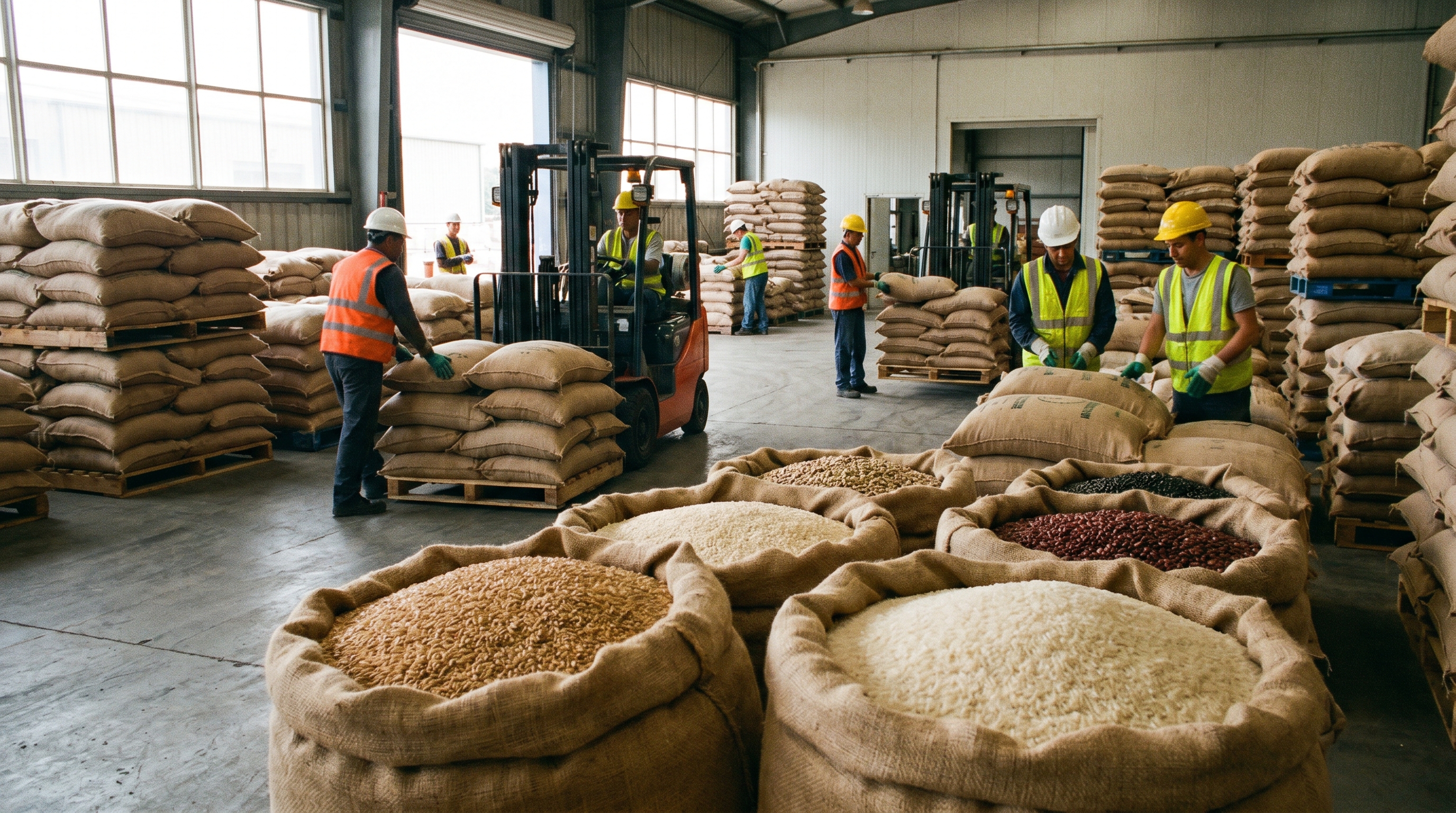
All food commodities provided under this program must be grown and produced in the United States. The USDA has prepared an Appendix C listing eligible commodities, and organizations cannot substitute cash transfers or food vouchers for actual U.S. agricultural products. This requirement directly supports American farmers, ranchers, and agricultural producers while ensuring food assistance maintains its traditional commodity-based approach.
Strict Accountability Measures
Every dollar must be traceable from origin to end beneficiary. Organizations will need robust tracking systems to prevent fraud, waste, abuse, and diversion of commodities. The USDA requires continuous compliance monitoring throughout the program period. Applicants should prepare detailed accountability frameworks that demonstrate how they will track commodities from U.S. ports to final distribution points.
Reducing Long-term Dependency
The program prioritizes emergency assistance over long-term aid relationships. The USDA will regularly evaluate projects with the goal of graduating successful programs rather than creating permanent aid dependencies. Organizations should demonstrate clear exit strategies and measurable progress toward self-sufficiency in their target regions.
Who Should Apply
This opportunity suits established international relief organizations with proven experience in emergency food distribution. Ideal candidates include:
- International NGOs with field operations in target countries
- Faith-based organizations with global outreach capabilities
- Agricultural cooperatives with international programs
- Established humanitarian organizations with commodity distribution experience
Organizations should have existing relationships with local partners in target countries and demonstrated capacity to handle multi-million dollar programs. Previous experience with USDA or USAID programs provides significant advantages.
Application Strategy
Success requires more than meeting basic eligibility requirements. Competitive applications should address several key areas:
Operational Capacity: Demonstrate ability to handle large-scale commodity logistics, including port operations, inland transportation, and warehouse management in challenging environments.
Local Partnerships: Show established relationships with local governments, community organizations, and logistics providers in target countries.
Monitoring Systems: Present detailed plans for tracking commodities and measuring impact, including technology solutions for real-time reporting.
Emergency Response: Highlight previous emergency response experience and ability to rapidly deploy resources during crises.
Financial Considerations
While cost-sharing isn't required, organizations must demonstrate financial stability to manage awards potentially worth hundreds of millions of dollars. The USDA will examine organizational capacity, cash flow management, and previous grant performance.
Administrative costs typically represent a small percentage of total program budgets, with the majority funding direct commodity procurement and distribution. Organizations should prepare detailed budgets showing how funds will flow from commodity purchase through final distribution.
Timeline and Next Steps
With a June 2026 deadline, organizations have time to develop strong applications. However, the complexity of international food assistance programs requires extensive preparation. Start by reviewing the full Notice of Funding Opportunity and Appendix C commodity list.
Contact the Food for Peace office at 202-649-3873 or foodforpeace@usda.gov with specific questions about program requirements. The USDA provides weekly responses to applicant questions, which can offer valuable insights into program priorities.
Ready to Apply?
This Food for Peace opportunity represents significant funding for organizations ready to make a measurable impact on global food security while supporting American agriculture. The combination of substantial funding, clear guidelines, and defined target countries makes this an attractive option for qualified organizations.
Create your free account on GovGrantsUSA today to access the complete Notice of Funding Opportunity, track application deadlines, and receive updates on this and other federal grant opportunities. Our platform simplifies the federal grant process, helping you find and apply for funding that matches your organization's mission and capacity.
$59M Available for State Criminal Alien Assistance Program T... Next
Bureau of Reclamation Offers Up to $120M for Desalination Pr...
Related Articles
USDA's PART Energy Program: Up to $100M for Rural Renewable Energy Projects
The USDA PART Energy Program has $410M available for rural renewable energy and storage projects, with loans up to $100M and up to 40% forgiveness. Rolling LOI review starts now.
USDA Offers Up to $35M for Global School Feeding Programs in 2026
USDA's McGovern-Dole program offers $10-35 million for school feeding initiatives in seven priority countries, combining hunger relief with education improvements using U.S. commodities.
$35M Food for Progress Grant Opens Doors for Agricultural Development Projects
USDA's Food for Progress Program offers $28-35M grants for agricultural development in emerging economies. Applications due July 2026, no cost sharing required.
Find Grants That Match Your Organization
Create a free account, build your profile, and see which federal grants you qualify for.
Get Free Access